


Navigating the Road: How To Become a CDL Driver.
- Dec 13, 2022
- 7 min read
Updated: Dec 8, 2024
The career path obtaining a Commercial Driver's License (CDL) can be a thrilling journey brimming with opportunities and challenges. For newcomers, the trucking industry offers an exhilarating mix of independence and responsibility.
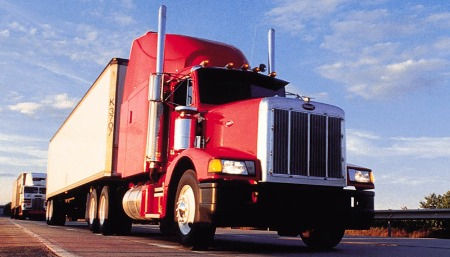
How To Become a CDL Driver
Let’s dive into the road ahead, exploring the experience of starting out, the rewards and challenges you’ll face, and the diverse career paths available for CDL drivers. We’ll also touch on the importance of Hazmat certification and the potential earnings in various CDL roles. For most aspiring drivers, the journey from enrolling in a CDL program to hitting the road full-time typically takes 4 to 12 weeks, depending on the type of program and the state you’re training in.
Formal CDL training programs usually run for about 4 to 8 weeks for full-time students, covering both classroom instruction and behind-the-wheel practice. However, part-time programs or self-study paths can extend this timeline, potentially taking several months. Additionally, some states may have different requirements or processing times for Commercial Learner’s Permits (CLPs) and skills testing, which can influence how quickly you can obtain your CDL and start working as a professional driver.
While the timeline varies, every step is critical to building the foundation for a successful and rewarding career in the trucking industry.
Training for Your CDL Journey
The road to becoming a CDL driver starts with comprehensive training. Many aspiring drivers choose formal CDL training programs from accredited institutions. These programs offer a blend of classroom instruction and hands-on experience, covering essential topics like vehicle operation, safety regulations, and defensive driving techniques. Training often takes place in specialized facilities, where students learn to handle various vehicles, from semi-trucks to buses. Beyond technical skills, these programs emphasize professionalism and responsibility on the road.
For those who prefer a more flexible approach, self-study and online resources can also be beneficial. These resources provide valuable insights into CDL requirements, regulations, and practice exams. However, self-study may not match the hands-on experience offered by formal training programs.
Step 1: Determine Your CDL Class and Endorsements
Identify the class of CDL you need (Class A, B, or C) based on the type of vehicle you intend to operate.
Consider additional endorsements, such as Hazmat, Tanker, or Passenger, to expand your opportunities.
Step 2: Meet Eligibility Requirements
Be at least 18 years old for intrastate driving or 21 for interstate and hazardous materials driving.
Hold a valid driver’s license and have a clean driving record.
Step 3: Complete a Medical Examination
Pass a DOT physical to ensure you meet the physical requirements for driving commercial vehicles.
Step 4: Enroll in a CDL Training Program
Attend a formal training program at an accredited institution for classroom instruction and hands-on driving experience.
Learn essential topics, including vehicle operation, safety regulations, and defensive driving techniques.
Step 5: Obtain a Commercial Learner’s Permit (CLP)
Study for and pass a written knowledge test to receive your CLP, allowing you to practice driving with a licensed CDL holder.
Step 6: Practice and Gain Experience
Accumulate behind-the-wheel experience, either through formal training programs or with a mentor.
Familiarize yourself with different vehicle types and road conditions.
Step 7: Schedule and Pass the CDL Skills Test
Demonstrate your ability to perform pre-trip inspections, basic maneuvers, and on-road driving during the CDL exam.
Testing includes practical skills evaluated by a certified examiner.
Step 8: Obtain Your CDL
Once you pass the skills test, you’ll receive your CDL license from your state’s Department of Motor Vehicles (DMV).
Step 9: Continue Learning and Stay Compliant
Keep up with ongoing training, endorsements, and renewals to maintain and expand your CDL credentials.
Obtaining a CDL isn’t just about earning a license—it’s about mastering the skills and responsibilities required to operate safely and professionally on the road.
Finding a Certification Center For Your CDL Certification
Once your training is complete, the next step is to find a certification center to take your CDL exam. These centers, authorized by state or federal authorities, provide a controlled environment for testing vehicle operation skills and knowledge of safety regulations.
To find a certification center, research your state’s requirements and procedures. Many states offer online directories of authorized testing locations. Reputable CDL training programs often have partnerships with certification centers and can guide you on where to test.
When choosing a center, consider factors like proximity, availability of testing slots, and the center's reputation. Contact the center beforehand to confirm required documents, fees, and any additional preparation needed.
New to the Industry: A Rookie on the Road
Transitioning into the world of commercial driving can be transformative. The trucking industry thrives on independence, responsibility, and a commitment to safety. As a newcomer, you'll encounter a wealth of learning opportunities.
Mastering vehicle handling, understanding transportation regulations, and improving navigation skills are essential steps toward becoming a proficient CDL driver. Developing a keen awareness of road safety and time management will also be crucial for a successful career.
Rewards and Challenges: Navigating the Open Road
Being a CDL driver comes with a unique set of rewards and challenges. On the reward side, the freedom of the open road and the opportunity to explore diverse landscapes are unparalleled. The demand for skilled CDL drivers ensures a steady stream of job opportunities, making it a reliable career choice.
However, long hours on the road can be physically demanding, and extended periods away from home may require significant adjustment. Adapting to varying weather conditions, traffic, and road hazards calls for resilience and adaptability.
Different Career Paths for CDL Drivers
The CDL profession offers a variety of career paths to match different preferences and skill sets. Long-haul trucking, where drivers cover extensive distances across state lines, is a common choice. Local and regional driving positions are also available for those who prefer shorter routes and more consistent schedules.
Specialized niches, such as tanker, flatbed, and refrigerated hauling, offer opportunities to focus on specific types of cargo. Some drivers even transition to becoming owner-operators, managing their own trucks and enjoying greater independence. The key is to find a path that aligns with your interests and lifestyle.
Long-Haul Trucking (OTR - Over-the-Road): Long-haul truckers cover extensive distances across state lines, often spending weeks on the road. This is ideal for drivers who enjoy travel and are comfortable with longer schedules away from home.
Local Truck Driving: Local drivers typically work within a specific region, often returning home every day. This role is ideal for those who prefer a more consistent schedule and shorter driving routes, usually within a single metropolitan area or state.
Regional Truck Driving: Regional drivers operate within a specific geographic area, covering a few states at a time. This role offers a balance between long-haul and local driving, with drivers often returning home weekly.
Tanker Truck Driving: Tanker drivers transport liquids, such as fuel, chemicals, or food-grade products. This specialized role requires additional safety training due to the handling of hazardous materials and the unique challenges of driving a tanker.
Flatbed Truck Driving: Flatbed drivers haul oversized or irregularly shaped cargo, such as construction materials or heavy equipment. This career requires drivers to secure loads with chains or tarps, adding a level of physical activity.
Refrigerated (Reefer) Truck Driving: Reefer drivers haul temperature-sensitive cargo, such as food or pharmaceuticals. These drivers are responsible for maintaining proper temperature conditions throughout the trip, making it a critical role in industries like grocery and healthcare.
Dry Van Truck Driving: Dry van truck drivers haul general freight in an enclosed trailer, making it one of the most common and straightforward CDL careers. It’s often a good starting point for new CDL drivers.
Hazmat Truck Driving: Hazmat drivers transport hazardous materials, such as chemicals or explosives. This high-responsibility job requires additional endorsements and specialized safety training due to the nature of the cargo.
Owner-Operator: Owner-operators manage their own trucks and operate independently, choosing their routes and schedules. While this offers greater flexibility and earning potential, it also requires taking on business management responsibilities and the cost of truck maintenance.
Team Driving: In team driving, two drivers share a truck and take turns driving, allowing the truck to stay on the road longer and cover more miles quickly. Team driving is common in expedited shipping and often results in higher pay.
LTL (Less Than Truckload) Driving: LTL drivers haul freight for multiple customers on the same truck, making frequent stops to load and unload smaller shipments. This role is often local or regional and may involve more interaction with customers.
Heavy Haul Trucking: Heavy haul drivers specialize in transporting oversized or overweight loads, such as industrial equipment or large vehicles. This job requires special permits and careful route planning due to the size and weight of the cargo.
Livestock Hauling: Livestock haulers transport animals, such as cattle or poultry, and require specialized training to handle the care and well-being of the animals during transit.
Oilfield Trucking: Oilfield truck drivers work in the oil and gas industry, transporting equipment, water, and oil between drilling sites. This role is often physically demanding and may involve off-road driving in remote locations.
Bus or Coach Driving (Passenger Transport): CDL drivers with a passenger endorsement can operate buses, transporting passengers on city transit routes, charter trips, or long-distance travel. This career path emphasizes safety and customer service.
Understanding Hazmat Certification: A Badge of Expertise
Obtaining a Hazardous Materials (Hazmat) certification opens up a new realm of opportunities. This certification allows drivers to transport materials deemed hazardous, such as chemicals, gases, and flammable substances. With a Hazmat endorsement, you can take on specialized roles and handle a broader range of cargo. However, acquiring this certification requires rigorous training and a deep understanding of safety protocols. It’s a significant badge of expertise in the industry.
Salaries in Different CDL Driver Career Paths
Earnings in the CDL industry vary based on experience, location, and the specific type of driving. Long-haul truck drivers, who often cover extensive distances and spend long periods on the road, can earn a median annual income ranging from $50,000 to $80,000. Local and regional drivers, with more consistent schedules, generally earn between $40,000 and $60,000 per year.
Specialized roles, such as tanker or Hazmat hauling, typically offer higher pay rates due to the additional training and expertise required. Owner-operators have the potential to earn even more, given their responsibilities in managing their own trucks and business operations.
Conclusion
Becoming a CDL driver is an adventure that blends freedom, responsibility, and financial reward. Despite the challenges, the satisfaction of mastering this profession is immense. Whether you opt for long-haul trucking, local routes, or specialized roles, the CDL industry offers diverse career paths to fit every driver’s preferences. If you're ready to hit the open road and embrace a career full of opportunities, earning your CDL could be the first step towards an exciting and fulfilling journey.
Getting your CDL is just the start of the journey—there’s a lot of road ahead, but the rewards are out there waiting. Whether you’re hauling local or chasing that OTR dream, stay sharp and enjoy the ride. 10-4, good buddy!
- AJ


